
Services
SACCC Infrastructure Rebuild of the SA Economy, through project identification & Job Creation in the following sectors:
- New Agri farming methods to address Climate Changes
- New Agri-processing methods to address Climate Changes
- Work with new livestock breeding programs & using new tech for rural abattoirs
- The deployment of nationwide Modular Mobile Hydrogen Factories (MMHF) to generate electricity
- Protection of women & children at home and in the community
- New sector Job Creation for Climate Change Tech & SA’s GDP global economic growth factories making Sustainable Aviation Jet Fuel (SAF), Zero Carbon Cement & Zero Carbon Ammonia.
- Rural Electric Micro Grids to include Remote Rural Cold Storage units for food storage
- Beneficiation of Raw materials from “mining minerals” to “food crops”
- Build new “state of the art” factories to process waste & food in municipalities & cities
- Assist Junior Mining companies to resource and mine ethically
- Assist Women In Mining companies to resource and mine ethically
- Deliver Medicine and Medical services nationwide
- Online Education to cover the country cover the SA curriculum
- Educate the communities to “respect and protect” Nature & Wildlife
- Expand & protect Forestry lands
- Protect sustainable Fishing around the sea’s and lakes
- Speed up the building new homes, schools & hospitals with new sustainable products
- Advance SA society in building of Smart infrastructures for Climate Change resilient
- Use our new wellness programs to address poverty
- Use our new National program to address Financial literacy & Financial Inclusion
- SACCC have a financial program to help Digitisation of the masses
Agri-Farming & Agri-Processing
SACCC Agricultural farming & Agri-processing of Non Chemical, Organic Sugar Beet (SB) and the creation of 10,000’s of rural jobs.
Small processing plants located in the middle of the SB plantations.
A fair redistribution of the profits generated by the entire supply chain.
From the SB plantations SACCC will show the growers a revenue stream that does not exist if they are growing Sugar Cane or Maize. Because SB when processed organically will produce “Bio Sugar’ which can reach up to $1000 (R19,000) per ton. SACCC’s agro-industrial model sees the spread of small processing plants located close to the plantations. All our processing plants are environmentally friendly, sustainable and energy self-sufficient.
At SACCC we have developed an exciting high-income commercial model for the SB growers. We have designed a “short value chain” in a “closed loop system”. SACCC agronomists will ensure high grade ethical growing without using chemicals or substances harmful to the environment. Our cradle to grave growing starts in cultivation and ends in the fished product (Bagged Bio Sugar, ready for home or export).
Each SACCC plant may operate independently and/or integrated into a network of plants (“cluster”).
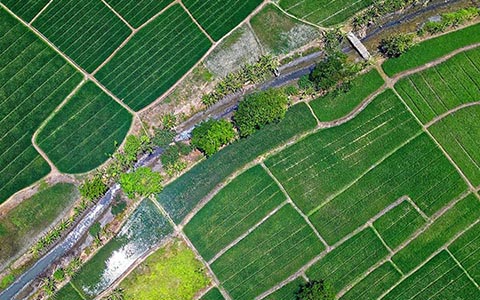

Soil Rotation with high value crops
SACCC agricultural division supports crop rotation.
We have created an opportunity for SACCC financed growers..
- to be an active part of a profitable value chain
- to improve farming operations and knowhow for selected crops
- to increase revenue for every hectare cultivated
- to share profits generated by the entire value-chain
- to guaranteed long term involvement and revenue generation
- to improve soil quality and environment.
- to have high earning potential for 10,000s of farmers & workers
The Non-Chemical project is based on sustainable Bio farming and Bio food processing, self-sufficient and located in relatively small agricultural areas, thus eliminating all logistic costs. The industrial processing area accepts a range of selected crops grown locally. The main crop is Sugar Beet. Our crop rotational methodology reduces the risk of contamination, the spread of pests and diseases that affect these crops, thus improving the quality of yield, while maintaining soil fertility.
For example using these four crops over land-mass of 1 to 100 hectares.
- Sugar Beet
- Sunflowers
- Sorghum
- Soya Beans
SACCC Agri-forestry & Regenerative Agriculture
Both large national grasslands and forests exist in the SA region. SACCC have created a sustainable plan for both massive areas of land;
Agroforestry (AF) also known as agro-sylviculture or forest farming is a land use management system that integrates trees with crops or pasture. It combines agricultural and forestry technologies.
SACCC believe new and innovative land use solutions are needed to adapt to a rapidly changing climate and to mitigate the predicted impacts on rural livelihoods. Projected changes to current climate patterns are suggested to severely impact South Africa. This may occur as an increase in drought and flooding events and shifts in rainfall patterns causing a loss of productive cropland, negatively affecting economic, ecological and social aspects of sustainable development.
SACCC have agroforestry systems (AFS) & agri-processing plans to present the potential to improve the bio-economy in rural areas, to provide an adaptation strategy for human needs, and to preserve natural resources and biodiversity against climate change influences.
The main hurdle is the demonstration of economic benefits because of the long-term gestation of trees incorporated in farms and the concern is on how to avoid an income gap, especially when talking about poor farmers. This is where SACCC policy and program of support comes in to play. The income gap is a constraint to any farmer. The gestation period for future returns in AF investments can be measured in many years and most farmers cannot wait that long when their immediate needs are put into consideration The concern of the SA Government should therefore be directed to fill this gap.

SACCC is starting a multi million ZAR textile industry with the creation of 100,000’s of new rural jobs.
SACCC plan to plant millions of new sustainable trees for Lyocell fabric production.
Lyocell has become a popular alternative in the sustainable fashion world. Lyocell is a fabric made from wood pulp. Lyocell is more durable than cotton because it lasts longer as a fabric and even after many many wash’s the garments look like new. Cotton sheets are very breathable, but they don’t breathe as well as Lyocell. Lyocell material is indeed naturally biodegradable and compostable, but there’s much more to it on why it’s sustainable. SA is the ideal territory to grow bamboo, oak, birch and eucalyptus trees. Through a number of processes, the wood is turned into fiber that can be woven into a variety of products.
For example, SACCC plans to create 100,000’s of jobs by funding a project combining zero carbon Sugar Mills with Lyocell production. SACCC can provide zero carbon heating technology to the sugar mill process. Heat from our process can be used in the Lyocell production and as an additional fact is that our process uses 30% less water than cotton. Bagasse, which is no longer used in the sugar mill, provides a good source of cellulose (at 45%). Local farmers can also supplement the bagasse with bamboo pithe, which is 95% cellulose.
SACCC can use the outer bamboo for furniture manufacture and create another industry to train & up skill 10,000’s of new craftsmen & craftswomen. Fabric production- cotton is an environmental disaster- Lyocell production is environmentally friendly and can provide large scale downstream job creation in weaving, clothing manufacture with a high value because it is eco-friendly and superior to cotton in all aspects.

SACCC low cost housing technologies
Our SACCC innovative modular construction initiative, was founded upon our primary objective to help build 2 million RDP homes across the country.
In the process our materials and methods help reduce Greenhouse Gases (GHG’s) and are 100% environmentally friendly. We have a circular waste plan which is founded from a sound manner, in-turn addressing SA’s home building sector.
We have designed a 55sqm 2 bed unit and we have done extensive design and costing on this simple and very cost effective housing unit.
Why use SACCC Housing
We will employ around 10,000 laborers nation wide (Plumbers, Electricians, Carpenters, Plasterers)
SACCC Key unique selling points (USP’s)
- Everyone deserves healthy housing
- NuSteel
- Portland cement & drywall
- Zero VOC’s or off-gassing
- High abuse resistance
- Fire resistant
- Insect resistant
- Mold and mildew resistant
- Faster speed to build
- Waterproof

SACCC will resource new “Junior Miners” & new “Women in Mining” (WIM) across South Africa
SACCC mining experts have a plan to assist Junior Miners & WIM across SA who have proven in-ground reserves. Our strategy is to take a percentage stake holding in the asset so that we can go to market to raise the capital necessary to fund the Capex & Opex. We are looking for commodities & minerals that can be beneficiated.
SACCC will supply the Renewable Energy (Solar, Wind, Geo-Thermal) & Zero Carbon Hydrogen (ZCH2) for electricity. The commercial division of SACCC understands how to raise capital against Power Purchase Agreements (PPA’s). We also know how to raise capital from Carbon Credits & forward selling the commodity.
Here is the list of topic that SACCC mining & commercial experts will offer WIM
- Understanding your materials/mines potential either for home sales (SA) or for export.
- Understanding the value of your commodity and how you maximise the value.
- Understanding your options for Electricity supply.
- Understanding the methods & techniques to verify value of an underground asset ….Satellite (3d) SANREC, Jorc 43101-NR.
- Understanding Carbon Boarder Tax (CBT) and how it will effect SA commodities.
- Understanding how to raise capital for Zero Carbon Commodities.
- Understanding how to get your mine to a Net Zero Mine.
- Understanding the advantage you will have over legacy mining with Net Zero.
- Understanding your in-ground assets to fund mining capex & opex.
- Understanding forward selling of their commodity into the global market.
- Understanding mergers & acquisition.
- Understanding the value chain from mining to the selling of the material.
- Understanding & valuation of the processing of slag/waste material.
- Understanding how to financially exit from your asset.
SACCC & The Local Community for Women in Mining (WIM)
SACCC has a mission to uplift millions of South African people from extreme poverty, in our mineral rich country. We will provide a much needed supply chain & the legal compliance to companies purchasing beneficiated goods & finished products from South Africa. We mediate between the stakeholders, which are usually governments, citizens, exporters and buyers across the Globe.
The SACCC concept is based on the belief that locality is the key. To improve the well being of the disadvantaged in our country we need to own the raw materials that is destined for export and allow them to be processed locally “beneficiation” before being shipped off.
Women Empowerment: Today, women represent around 20% of those present at artisanal mining sites and 60% of the ore washer sites.
SACCC wants to implement: Health and Safety for Gems & Ore Processing:
SACCC aims to reduce health risks by providing training in processing methods that do not use mercury or any other hazardous chemicals. Since approximately 60% of ore processing is currently completed by women, this is where the greatest health impact can be made.
Women in Management: Due to the agreements between the company and the cooperatives, women will receive greater representation as minimum positions in cooperative management.
Board structures are also required to go towards women, providing equal representation. This “affirmative action” measure is used across the board with all company interests.
Diversified, Non-Mining, Women Focused Business Reinvestment: As the company reinvests its profits it will prioritize diversified business opportunities to women in fields outside of the mining sector empowering their economic status within the communities and stabilizing the local economy.
Women in Mining Support Services: As mining incomes increase, the supportive industries located at the mines, such as sale of foods and drinks, clothing etc. will realize an immediate positive financial impact. • Training: Specific training and management will be introduced to ensure equality and safety for women in the mining industry.

South Africa has woken up to realise that the greater value sits in the beneficiation of the recovered minerals.
South Africa is home to over 50 mineral commodities and boasts the world’s biggest share of manganese and platinum reserves. We also have some of biggest reserves of chrome. Consequently, our mineral wealth is estimated to be around $2.5 trillion. Our SA Government is making a concerted effort to revive the exploration sector and attract increased investment into SA.
SACCC is ideally positioned in order to financially assist these new mining entrants (Junior Miners & Women in Mining). We will assist these new entrants on how to prove their underground assets, and then how to finance the mining of the assets.
SACCC believe that increased upstream & downstream beneficiation of the energy transition metals and SA can play a leading role in collaboration with our neighbouring countries.
What challenges does South Africa face in seizing this opportunity?
SACCC know the road to ‘mineral beneficiation’ is not a smooth one.
One of the biggest obstacles is, of course, Eskom and the energy crisis, since smelting and refining are highly energy intensive processes. Many smelters and refiners are simply not able to operate at full capacity at the moment given load shedding and electricity supply issues. Estimates suggest there were 704 hours of power cuts experienced in January 2023 alone compared to 844 over the whole course of 2019. Electricity tariffs have increased too. Over the last decade, electricity costs have increased by 500%, according to the Minerals Council of South Africa. This has obviously had a huge impact on miners’ costs and their international competitiveness.
While a lot of mines are now generating their own power policy and regulatory hurdles hamper progress. At the end of the day, miners are heavy energy users, and they need reliable baseload power (i.e. continuous power over an extended period of time). Furthermore, South Africa’s bulk commodities are to be found in Limpopo, Mpumalanga and the Northern Cape. Our crumbling rail infrastructure means it’s virtually impossible to move metals from some provinces to our ports, let alone from as far inland as the Northern Cape.
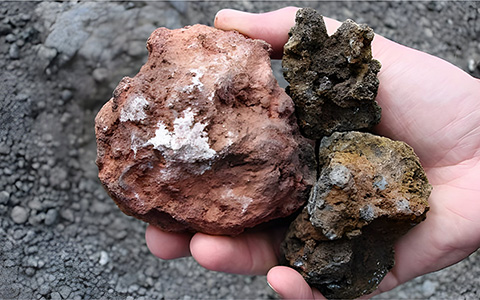
SACCC Plantation Projects across SA starting in Mpumalanga
Moringa: This project will create more than 1,000 jobs from planting 1,000,000 Moringa Trees. Our plantation workers will also beneficiate the Moringa Seeds into Oils for beauty & cosmetics & The Moringa leaves into Powders for cooking & nutrition.
Kenaf: This project will create more than 10,000 jobs from plantation workers to builders of housing with beneficiation this superb plant. Kenaf crops are fibrous and have applications such as construction blocks, biochar and biofuel. These allow secondary carbon capture from crop yield and the development of an infrastructure rebuild of either locally used or commercially sold products.
Sugar Beet (lead crop) 4 x Rotational Crops: This project will create more than 100,000 jobs from plantation workers to beneficiation of the Sugar Beets into Bio Sugar, animal food & biofuels.
Bamboo: This project will create more than 10,000 jobs from plantation workers to beneficiation of the bamboo in the Lyocell textile processing.
Birch: This project will create more than 10,000 jobs from plantation workers to beneficiation of the bamboo in the Lyocell textile processing.
Oak: This project will create more than 10,000 jobs from plantation workers to beneficiation of the bamboo in the Lyocell textile processing.
Eucalyptus: This project will create more than 10,000 jobs from plantation workers to beneficiation of the bamboo in the Lyocell textile processing.
Hemp: Applications of hemp in textiles, paper industry, insulation and building materials, horticulture, animal nutrition, food and beverages, nutraceuticals, cosmetics and hygiene, medicine, agrochemistry, energy production and environment.
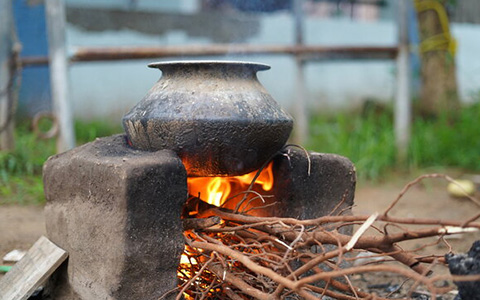
SACCC support Clean Cooking methods to help stop the spread of Tuberculosis (TB) in women & children.
SACCC will help finance & distribute 1,000,000 new eco-friendly Cooking stoves which includes the clean burning “methanol fuel”. These life saving cooking stoves are designed and manufactured in South Africa.
Clean cooking saves lives !!!!
Nearly one out of three people are forced to rely on polluting cooking fuels like charcoal, wood, and kerosene. Such “dirty cooking” is a leading source of carbon emissions and kills some four million people each year. SACCA and its partners are working to address this global crisis.
- A newly patented non spill clean cooking stove using methanol fuel not paraffin
- Stopping the spread of TB in women & children in Africa
- Reducing Co2 emissions in Africa
- Stopping the spread of shack fires caused by paraffin stoves
- According to Wikipedia, there are, on average, 10 shack fires every day in South Africa. In March this year 2024, 4 000 people were displaced and several lost their lives in shack fires
Our clean cooking stove can be fitted with a thermal coupler, which can charge a mobile phone & power a lighting unit.
SACCC Education division,
SACCC Educational Directors saw a massive opportunity to help develop online education across South Africa during the disaster of Covid 19.
Our online “Cloud School” program which was developed on 2019, takes place outside of the mainstream schooling. This is known as Supplementary Education. We offer high quality after-school and Saturday morning programs to children who most need support.
Our courses are linked to the mainstream curriculum so that they remain valid and coherent with what’s happening in school time. The essential difference is the freedom we have, as non-mainstream providers, to explore the innovative and inspiring methodologies that boost the all-round performance of children.
Our approaches are drawn from an exciting new movement in education that centre’s on creativity, critical thinking and authentic life experiences.
SACCC have a “Genetic Brain Profiling” (GBP) program that we will use on 10,000,000 Children & Youth (C&Y) between the ages of 4 to 30.
The genetic brain profile will also indicate which of the 13 intelligences our C&Y is born with and which need development. Here is what we assess. Linguistic intelligence, logical-mathematical intelligence, visual-spatial intelligence, musical intelligence, bodily-kinesthetic intelligence, naturalistic intelligence, interpersonal (social) intelligence, intra-personal intelligence, spiritual intelligence, componential intelligence, experiential intelligence, and contectual/practical intelligence.
SACCC ONLINE EDUCTION SCHOOL COMPONENTS
- CAPS ALIGNED ASYNCHRONOUS LEARNING PLATFORM
- SUPPLEMENTARY CURRICULUM FOCUSING ON KEY BASIS IN EACH TOPIC (pilot)
- HIGH IMPACT, MULTI-FORM, INTERACTIVE ELEMENTS
- RESPONSIVE, PERSONALISED LEARNING PATHWAYS
- COMPLIMENTED BY LEARNING ALIVE’S SIGNATURE ENRICHMENT CURRICULUM
- GENETIC BRAIN PROFILING OF CHILDREN & YOUTH IN RURAL AREAS

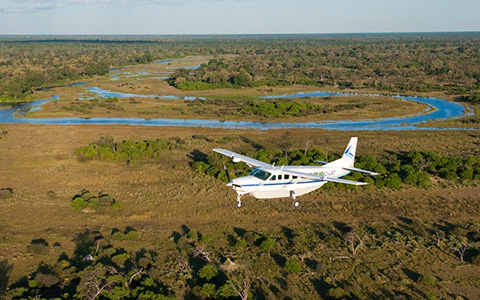
SACCC’s clean fuel division
The clean fuel division are dedicated to fight the effects of Climate Change by addressing the industries that are credited to producing the most Co2 and Green House gases. SAF is the alternative to fossil fuel, derived from sustainable resources like agricultural waste. Known as a “drop-in” fuel, it requires no modifications to aircraft or infrastructure.
SACCC will be investing heavily in Carbon neutral Sustainable Aviation Jet Fuel (SAF) production. This drop in fuel production will create many 100,000’s of new jobs. This SACCC technology will make sure SA will become the world leaders of SAF. The use of SAF by SA airliners will boost & encourage Eco tourism in South Africa.
SACCC will create 100,000’s of jobs because we have the commercial rights to make SAF across Africa. SACCC will finance 30/40 SAF production sites close to major airports or small airfields across SA. These production sites will produce SAF at lower or at similar costs to existing jet fuel prices.
Eco-tourists will be attracted by SA airlines that use SAF. Many other projects that SACCC are involved in is many Internal Combustion Engines & other are developing H2 propulsion aircraft.
SACCC commodity minerals (mining) & food (farming) beneficiation ?
Mineral beneficiation is when a mined raw material (Iron Ore to Steel) or a food source commodity (Soya Beans to a bottle of Soya Sauce) is transformed from a raw/primary product into a higher-value finished product. Essentially any beneficiation process will turn, the mined/grown raw materials, into a finished commodity with many more times a higher economic value.
In addition the beneficiation process will create 100,000 of jobs. In the last many decades SA has exported its raw materials to countries all over the world. What this does is give the importer the ability to build factories and employ their own people to beneficiate to product. Then SA importer buys the finished product and ships it back to SA!!!!!! Go figure …..
SA, by virtue of being a mining pioneer on the continent, is more advanced than its peers when it comes to beneficiation in terms of expertise and infrastructure, giving us a competitive advantage in this regard. SA could partner with the other African countries on skills, infrastructure and technology when it comes to beneficiation and add much needed extra value throughout the supply chain.
SACCC believe the economic impact of doing it ourselves – of operating all the way down the value chain – is potentially huge, especially in terms of skills and employment creation.
Beneficiation and value-add is particularly important in the context of our history. In the past, foreign countries stripped Africa’s resources in a very “pit to port” manner with no regard to benefiting the local communities and supply chains.
SACCC now have a very real opportunity to show investors how we do it right: How we uplift mining communities and farmers in rural areas by providing them with new skills and creating sustainable jobs.

SACCC resourcing the young people of South Africa
The situation for the young people of South Africa is dire !!!!!
Nearly nine million young people are waiting for the economy to turn the corner.
Young people are hustling to create a livelihood, or reconnecting to education or to the labour market or making decisions for themselves”. It is vital we keep young people moving, strategically and with support, within the economy we have – not letting them stagnate, waiting for the economy we want. If SACCC get that right, it means we will also have a workforce that is trained, eager and ready to go when the economy does pick up. This turns the undeserved inertia of our youth into positive momentum when jobs return.
Through SACCC resources we will positively effect the youth of SA. We will create jobs from our:
- Regional Development Programs for Infrastructure Rebuild of SA
- Beneficiation Programs from raw mining materials to food crops
- Financial Wellness Programs to help elevate debt causing poverty
- New Energy Sector Technologies
- New Mining Sector plans with Women in Mining & Junior Miners
- New Rotational Crop Programs (High Nutritional Value Non Chemical Produce)
- New House build products & techniques
- Intervention of our Clean Initiatives (Air Water Soil)
SACCC will work closely with the International & local Private Sectors and in parallel to the GNU Government policies of SA.
SACCC’s Education division is focused on Financial Literacy & Financial Inclusion across the whole of South Africa
SACCC put financial literacy & financial inclusion at the top of our list of actions. We aim to assist financial independence & financial success to the everyday people that we serve. Our team puts huge effort & financial resources, into this program to improve awareness, which will prepare South Africa’s youth for the future.
On the individual level, financial literacy helps people to budget, manage debt, and create a savings and retirement plan. Despite the social negativity associated with informal loan services provided by “Mashonisa” or Loan Sharks, they are currently understood as the backbone of the middle and low-class communities in South African.
Mashonisa is an Isizulu term rooted in the word Shonisa; to impoverish.
SACCC educators are aware that more than 80% of South Africans survive on money obtained from these loan sharks. We have also identified that there are 3 million illegally obtained debt orders called “Garnishee Orders” (GO) that have been issued in South Africa totaling a debt nearly R3,500,000,000 ($200,000,000) per annum.
Persons with GO’s have payments taken from their accounts each month through their wages. A GO’s means the person cannot obtain credit anywhere. These debt orders are the real problem to the rural and informal circular economy of SA.
Through an association with a SA law firm, SACCC are dedicated in helping a GO Rescission & Restitution program. The aim of this program is to recover this money for the people shackled by these illegal debt orders. SACCC are dedicated to assist and have devised a wellness program to help its release back into South African society.


SACCC plans for Carbon Offset Initiative
Carbon offsets are expected to play an important role in global carbon reductions, especially in sectors that do not have cost-effective reduction opportunities or for activities where emissions are harder to abate.
SACCC have partners who have experience in developing and using carbon offsets. We partner with global carbon trading organizations which enables us to actively invest in scalable, nature-based solutions. Our methods include, soil carbon storage, reforestation, mining land restoration and all of these focus’s help to build a portfolio of high value credits.
SACCC are growing a carbon offsets business to help achieve our net zero ambitions, and we are working to provide verified, low-cost, high-integrity offsets to our customers around the world in an effort to help them achieve their own lower carbon goals.
What are the minerals of the future that will create Jobs in South Africa?
SACCC knows the energy transition is gathering pace, the production of certain critical minerals in the manufacture of everything from solar panels to wind turbines and electric vehicles is forecast to rise by up to 500% by 2050. SA must start addressing this opportunity to create 100,000’s of new jobs and start addressing the gap in GDP.
SA has many of the minerals necessary to build renewable energy plants and the minerals to build revolutionary technologies from vanadium car batteries to clean hydrogen production systems. SACCC are dedicated to this opportunity and will help invest multi millions of ZAR and help guide businesses on how to take advantage of this “massive opportunity”. It was no surprise therefore that the global scramble for energy transition minerals was touted as a potential game changer for SA at this year’s Mining Indaba.
What are the minerals of the future?
It’s widely acknowledged that we need to cut greenhouse gases and transition to a low-carbon world if we are to keep global warming to the less-than-2-degrees rise global leaders agreed to in the Paris Accord of 2015.
Integral to the green transition are the so-called “minerals of the future” – including cobalt, copper, nickel, manganese, lithium and the platinum group metals (PGMs).
As developed countries seek to diversify their supply of critical minerals away from Russia and China, the economic opportunity for South Africa is significant with the continent accounting for over 40% of global reserves of manganese and platinum, key minerals for batteries and hydrogen technologies.
SACCC Circular economy
SACCC technologies makes it profitable to achieve the SDG’s.
A strategy for the sustainable regeneration of rural South Africa.
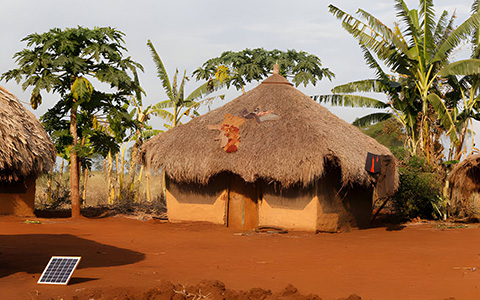
SACCC technology can enable zero-carbon energy for small-scale regenerative food production and entrepreneurship to flourish in local communities, often at lower costs than industrialized food production. Infrastructure development means spending money externally on bricks and mortar, whereas they can be produced locally at LOWER costs.
- Zero-carbon electricity production for municipalities into local grid at 2/3 Eskom prices.
- Micro-grid zero-carbon electricity for informal settlements, townships and remote rural locations.
SACCC Waste Management
Pyrolysis of waste into energy.
With increasing economic growth, waste management has become an urgent public health issue across the whole of SA. Only 25% of waste produced is collected for disposal in landfills or by burning; the remaining 75%r is dumped illegally. Illegal dumping is widespread. SACCC provides a high impact solution to SA’s burgeoning waste management problem.
SACCC plans are to build 150 ton per day facilities, which will divert over 100,000 tons per year of biomass and organic municipal waste from landfills. SACCC technology will produce 10-20 Megawatts of base-load renewable electricity, 14,000 tons of bio char and 8,000 tons of activated carbon annually.
SACCC Clean drinking water – activated carbon.
Activated carbon is carbon processed at high heat in the absence of oxygen to produce small, low volume, pores in the carbon that increase the surface area available for adsorption; one gram of activated carbon has a surface area of 3000m2. A standard SACCC facility will produce 8,000 tons of activated carbon to clean 30,000,000,000 Litres of water to drinking quality standards.

SACCC Health Care & Medical Supply Division
As a result of our extensive knowledge inside rural homesteads and within SA’s largest townships we have identified a growing need for a reliable and efficient supply of pharmaceutical products. Plus it will enable 10,000’s of new jobs throughout rural SA.
SACCC will ensure that rural communities have access to quality healthcare facilities and foresee that this will be funded through the Governments National Health Insurance (NHI).
SACCC will supply prescription medicines, equipment and disposable supplies to those medical practitioners and health centres having on-site dispensaries in rural and non-rural areas of SA.
SACCC has identified established pharmaceutical manufacturers and links
with networks of doctors across the country.
SACCC Healthcare Distribution is in the delivery business, servicing rural SA. Our strategy reflects inevitable changes to healthcare delivery. A growing number of in-patient health care services are being pushed to the home and outpatient ambulatory facilities; however, many complex and very ill patients continue to need sub-acute (step down) in-patient services. With ageing infrastructure in some countries and demand for more beds in others, SACCC’s plan is to improve in-patient and outpatient service connections with consumers and integrating digital technologies into “traditional service hospitals”. SACCC has four principal business segments.
- Supply of pharmaceuticals & medical products & nursing services to practitioners and rural dispensaries
- Owner-operator of mobile medical facilities for remote areas from blood transfusion to HIV support
- Providing diagnostic technologies & solutions and facilitating medical research by way of strategic acquisitions.
- Offering medical insurance & digital patient engagement tools and ancillary services to doctor & nurses.
SACCC has a golden opportunity to help create jobs
SACCC believe the challenges facing the mining sector are many and varied, but that they are by no means insurmountable. President Cyril Ramaphosa in his 1st term in office acknowledged the dire electricity situation and announced a national state of disaster. SACCC are in a position to help The President achieve his mining goals now in his 2nd term of office.
SACCC want to help kick start the private mining sector financing to support the new Junior Miners & new sector, Women in Mining (WIM). We will be delivering to them a new Modular Mobile Hydrogen Factories (MMHF) to supply onsite & on demand electricity & Hydrogen to power the vehicles for the mining. Please be assured the SA government cannot absolve itself from responsibility altogether, so SACCC will lobby them to assist this new job creation and financially assist the mining sector to take advantage of the full potential of “beneficiation’ of the mining asset.